
Closing the Birth-Tourism Gap – The suspension of a special visa-free travel program for Chinese nationals brings renewed scrutiny to birth tourism, immigration enforcement and security in the Northern Mariana Islands.
HLS.Today | November 1, 2026
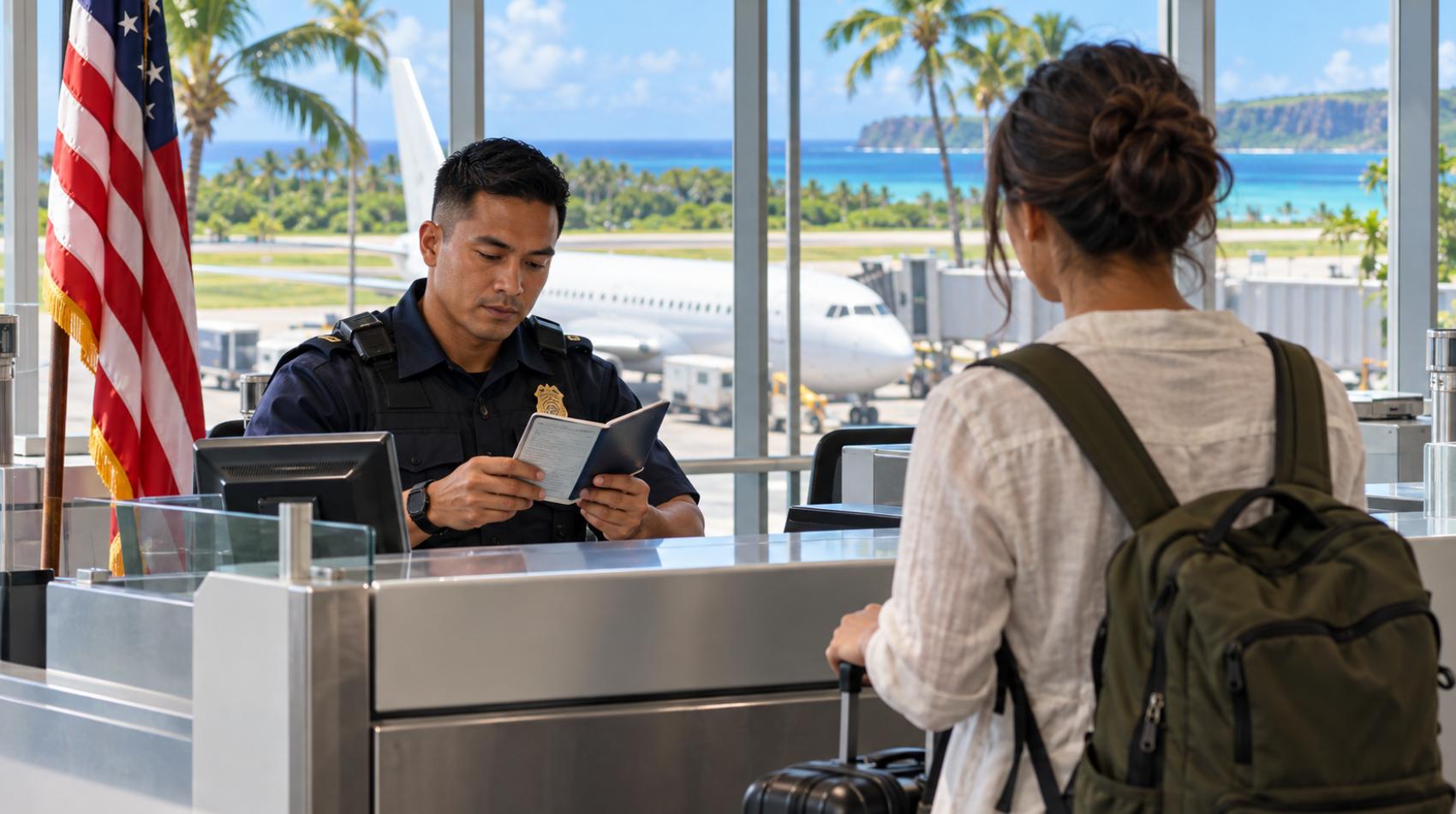
The Department of Homeland Security has suspended the Economic Vitality & Security Travel Authorization Program, known as EVS-TAP, which allowed eligible Chinese nationals to visit the Commonwealth of the Northern Mariana Islands without a U.S. visa.
The formal notice was published October 27, ahead of DHS’s October 29 publicity. The suspension took effect at 2 p.m. Eastern Daylight Time on October 30, 2026.
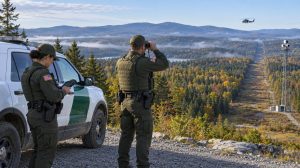
For readers following HLS.Today’s border-security coverage, the announcement highlights how specialized entry arrangements can become part of a wider debate over immigration controls and national security.
What Changes for Travelers?
The official suspension notice, signed by Homeland Security Secretary Markwayne Mullin, establishes the following:
| Question | What the notice provides |
|---|---|
| Who is affected? | Chinese nationals seeking entry through EVS-TAP, including those with existing authorizations. |
| Can they still visit? | Yes, with an appropriate nonimmigrant visa unless another lawful exception applies. |
| What about visitors already admitted legally? | They may complete their authorized stay. |
| Does the previous parole arrangement return? | No. |
| Is there a restart date? | None is specified; DHS will evaluate the program with State and Interior. |
The change therefore suspends a particular entry mechanism rather than imposing a blanket prohibition on Chinese visitors.
How the Visa-Free Program Worked
Before the suspension, EVS-TAP offered eligible travelers from the People’s Republic of China a short-stay route into the CNMI.
CBP’s implementation guidance required approved electronic travel authorization for participating travelers without a valid U.S. visa. Admission was limited to a maximum of 14 days, and travel was restricted to the CNMI.
CBP expressly stated:
“Eligible travelers admitted under the CNMI EVS-TAP are authorized to travel within the CNMI only.”
The authorization did not permit onward travel to Guam, the U.S. mainland or other U.S. territories. The distinction matters: permission to visit one U.S. jurisdiction under a limited program was not permission to travel throughout the country. cbp.gov
Why Birth Tourism Is Central to the Debate
The State Department describes birth tourism as travel primarily intended to obtain U.S. citizenship for a child through birth in the United States.
Its visitor-visa guidance states that birth tourism:
“is not permissible on a visitor visa.”
That guidance also lists medical treatment among legitimate visitor-visa purposes. The purpose of a journey therefore matters: medical travel and travel principally intended to secure citizenship through childbirth are not automatically the same thing. travel.state.gov
The federal visa restriction predates this latest suspension. In its January 2020 policy announcement, the State Department explained that consular officers would deny B-visa applications when they had reason to believe that obtaining citizenship for a child through childbirth was the applicant’s primary travel purpose. travel.state.gov
The policy question is how effectively different entry systems identify the real purpose of travel before admission.
DHS Cites Wider Security Concerns
DHS’s notice cites potential espionage, unauthorized onward travel, birth tourism, pressure on medical services and organized-crime risks. These are the department’s stated grounds for preventive action; they do not establish wrongdoing by every participant or quantify births attributable to EVS-TAP. govinfo.gov
A separate Justice Department case announced in February 2025 helps explain the concern about movement between islands.
DOJ reported that Kangle Jiang was sentenced after conspiring to transport himself and seven other Chinese nationals from Saipan to Guam by boat in December 2024. Prosecutors said the travelers intended to avoid detection. Boat operators reportedly threatened passengers and forced them into the water near shore, including people unable to swim.
DOJ also said most passengers were subsequently encountered in or near sensitive military installations.
U.S. Attorney Shawn Anderson described the enforcement objective as:
“safety, deterrence, and maintaining the integrity of our immigration system in the Western Pacific.”
The incident occurred before EVS-TAP’s implementation. It provides evidence of an earlier smuggling route, not proof that EVS-TAP caused that particular crime. Nor does proximity to a military installation, by itself, establish espionage. United States Department of Justice
These concerns connect with the broader issues examined in HLS.Today’s homeland-security reporting: entry screening, maritime enforcement and protection of sensitive infrastructure.
Part of a Broader Administration Initiative
President Trump’s August 6 executive order, “Ending Birth Tourism”, directed the Departments of State and Homeland Security to strengthen measures against the practice.
The order addresses both travelers and those facilitating their entry. It authorizes implementation through rules, policies and operational guidance, while allowing humanitarian or national-interest exemptions.
Its policy position is explicit:
“Citizenship is not a commodity to be acquired through calculated exploitation and evasion of the immigration laws.”
The order’s definition covers entry on a nonimmigrant visa for the purpose of giving birth and efforts to facilitate such entry. That wording should be distinguished from the State Department’s visitor-visa explanation, which emphasizes the primary purpose of obtaining citizenship for a child. The White House
The constructive opportunity is stronger scrutiny of fraudulent travel arrangements and commercial facilitators. Measuring success will require evidence of prevented abuse and effective enforcement, alongside clear treatment of legitimate travelers.
The CNMI Seeks Security Improvements and a Path to Reopening
The Commonwealth’s congressional representative, Kimberlyn King-Hinds, has acknowledged the security concerns while emphasizing the economic consequences.
In her October 27 official statement, she said:
“I want to emphasize that EVS-TAP has been suspended, not terminated.”
King-Hinds reported discussions with the White House, Secretary Mullin and House leadership. She said Mullin had assured her that DHS would work directly with the CNMI to address the issues behind the suspension.
She also warned that prolonged disruption could affect businesses, workers, families, airlines and existing travel arrangements. Her stated objective is to resolve federal concerns and support the program’s resumption as quickly as possible. Representative Kimberlyn King-hinds
That response identifies the practical challenge ahead: designing safeguards that address documented risks while maintaining a workable route for legitimate tourism and commerce.
What to Watch Next
The next meaningful developments will be official findings from the program review, any proposed safeguards and a decision about whether—and under what conditions—visa-free travel might resume.
For policymakers, useful measures would include verified misuse, interdicted smuggling, screening effectiveness and economic effects. Clear evidence will help distinguish a successful security intervention from a disruption whose costs exceed its demonstrated benefits.
For travelers and businesses, the most reliable reference remains the published federal notice and subsequent official updates.